
How Kindred's QA Team Got Their Time Back
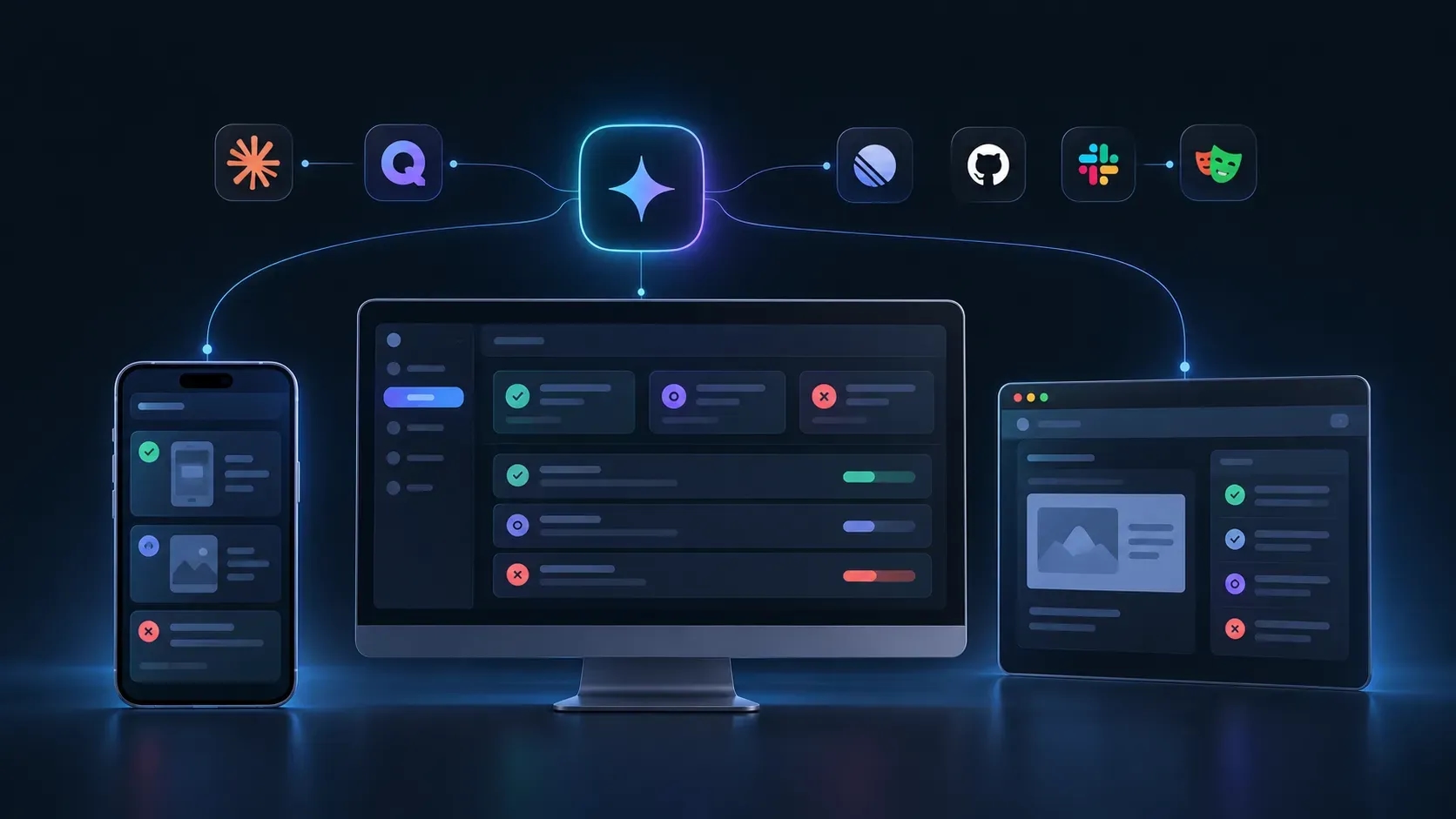
Native iOS and Android apps, plus a web platform
Test creation, bug reporting, and PR review
300+ mobile flows, plus new web coverage
Maestro, Playwright, Qase, Linear, GitHub, Slack
At-a-Glance
Kindred's QA team wanted fast, reliable releases without losing control of quality, but 2–3 day manual regressions and only three basic mobile tests left little time to improve it. As their guide, we built a workflow where Claude handles the repetitive work and QA keeps every decision, which now delivers 300+ mobile flows, 30%+ faster selected runs, and nightly checks on core flows.
Where Kindred Started
Kindred's QA team protects native iOS and Android apps plus a web platform.
They wanted fast, reliable releases without giving up control over quality.
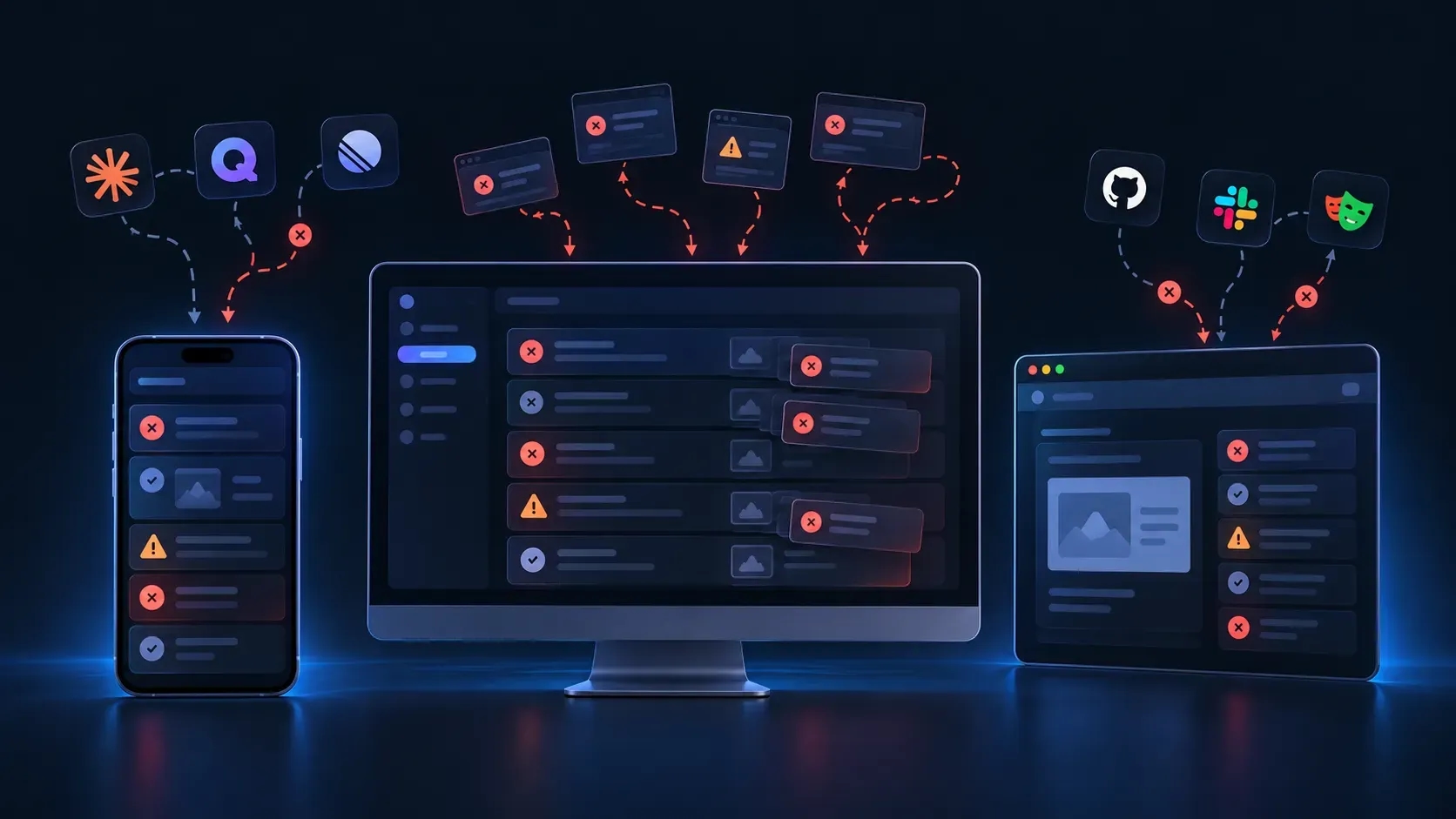
But full regression was mostly manual and took 2–3 days, while new deployments kept landing mid-way through testing.
Mobile automation was three basic Maestro tests and the web platform had none, so the team kept repeating the same work instead of improving quality.
What Kindred Wanted

Move faster without losing control over quality.
Automate the most important user journeys first.
Let AI handle repetitive work: test creation, bug reports, and code review.
Keep humans in control. AI supports decisions; QA makes them.
Run key checks every night instead of waiting for manual regression.
Connect test cases, bugs, pull requests, and team updates in one workflow.
Our Plan

Step 1: Automate what matters
Mobile grew from three tests to 300+ iOS and Android flows, and Playwright added web coverage. We focused on the right flows and cut duplication.

Step 2: Give AI real context
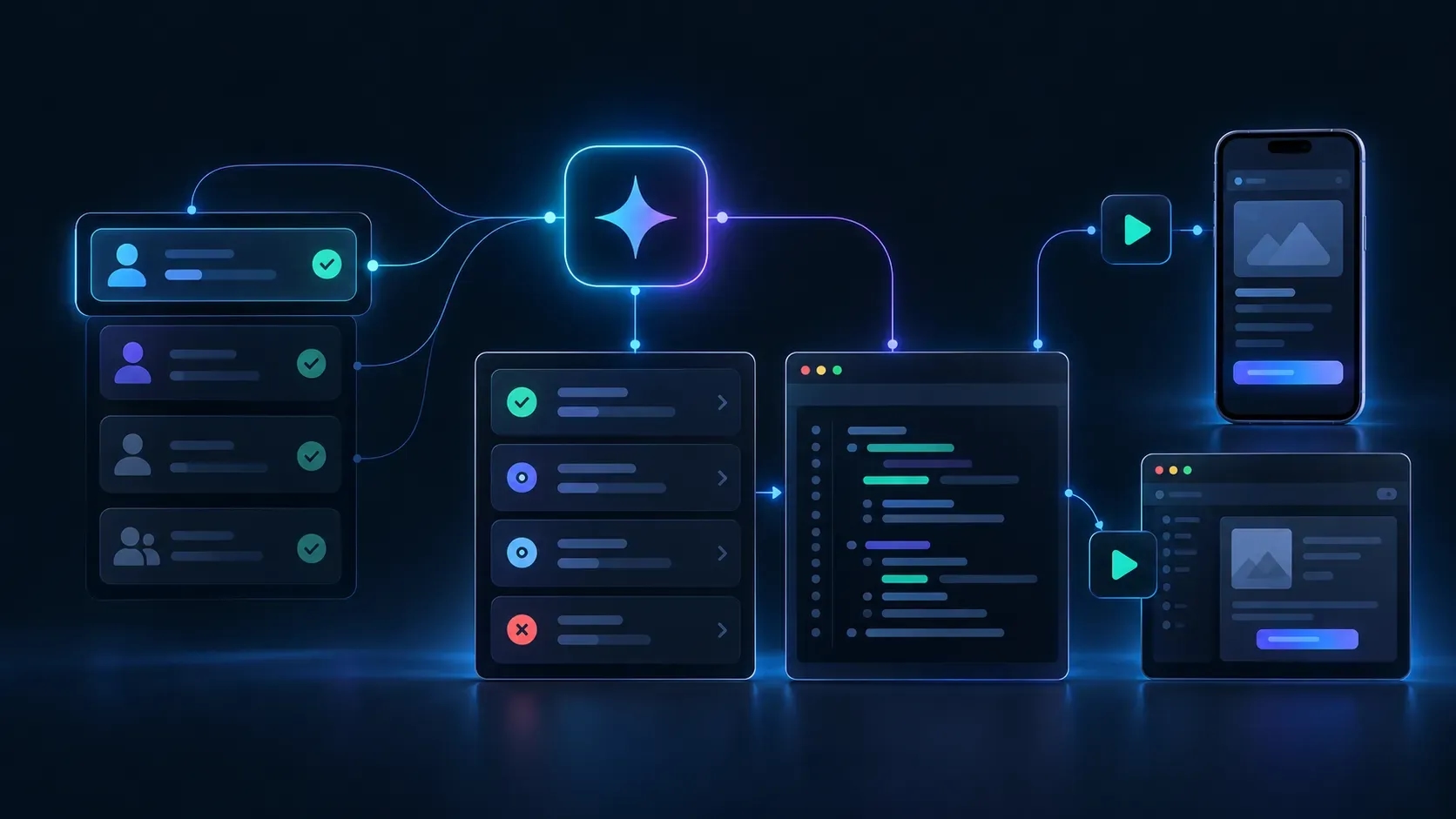
Claude gets test cases, app structure, test IDs, feature flags, emulator details, and existing automation rules, so it creates and fixes tests the way the team would.

Step 3: Skip the repeated setup
Scripts prepare users before a test starts, so each test begins at the feature under test. With related flows combined, selected mobile runs got 30%+ faster.

Step 4: Connect the QA toolchain
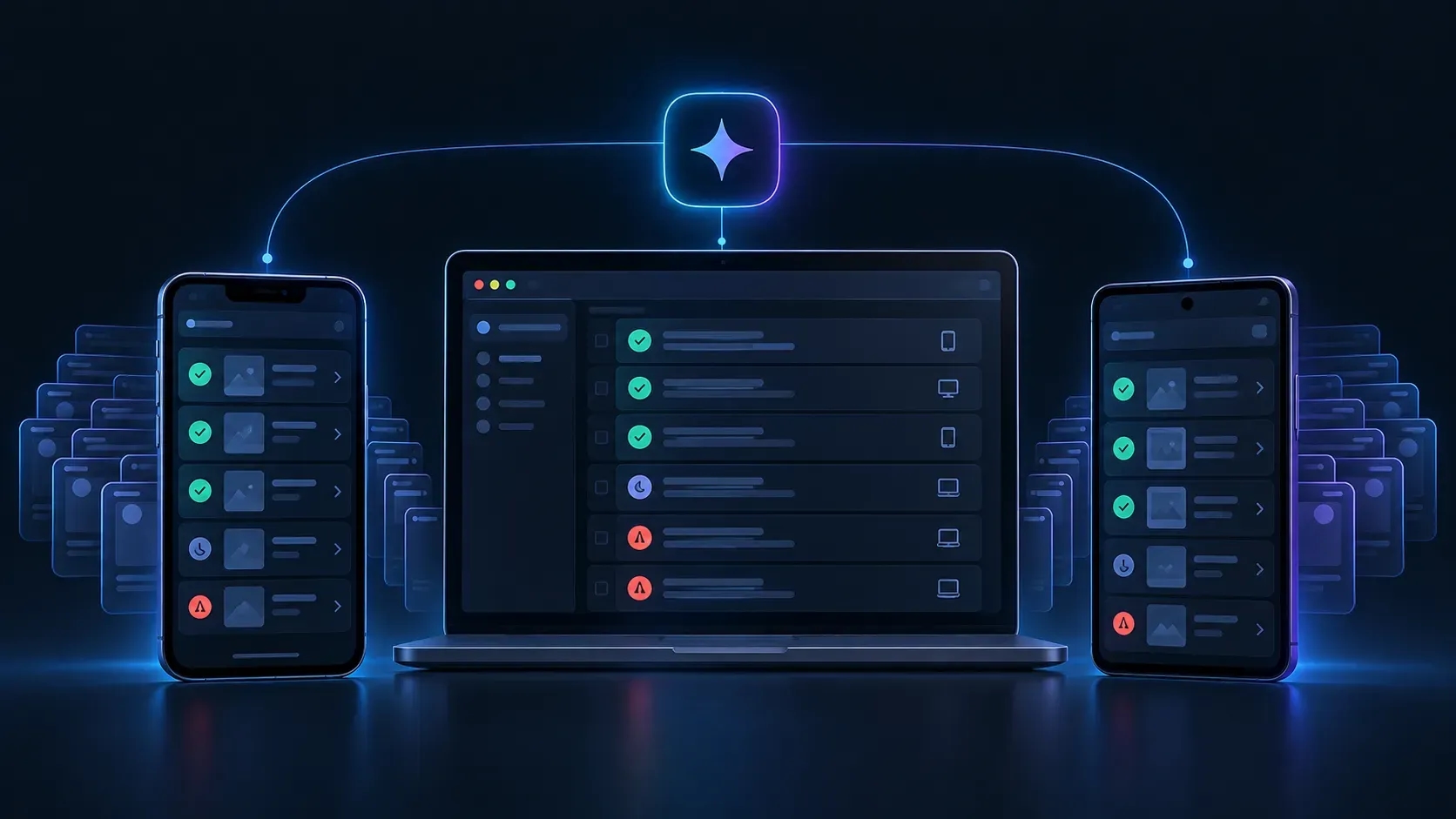
Through MCP, Claude reads test cases from Qase, files bugs in Linear, supports pull requests in GitHub, and posts results to Slack.
Results at a Glance
300+
Mobile automation flows
30%+
Faster selected mobile runs
Nightly
Quality checks on core flows
What Stood in the Way
Regression took days.
A full cycle took 2–3 days, and releases kept moving.
Automation was too small.
Three basic mobile tests, no web automation, and the same login, onboarding, and profile setup repeated in test after test.
Tools lived apart.
Test cases, bugs, code changes, automation, and team updates all lived in different places.
The team was stuck repeating work.
Time went to rerunning and rebuilding the same steps, not to improving quality.
QA should not slow delivery.
Quality checks belong inside the development flow, and people, not AI, should stay in charge of them.
Our Agreement: AI Helps, QA Decides
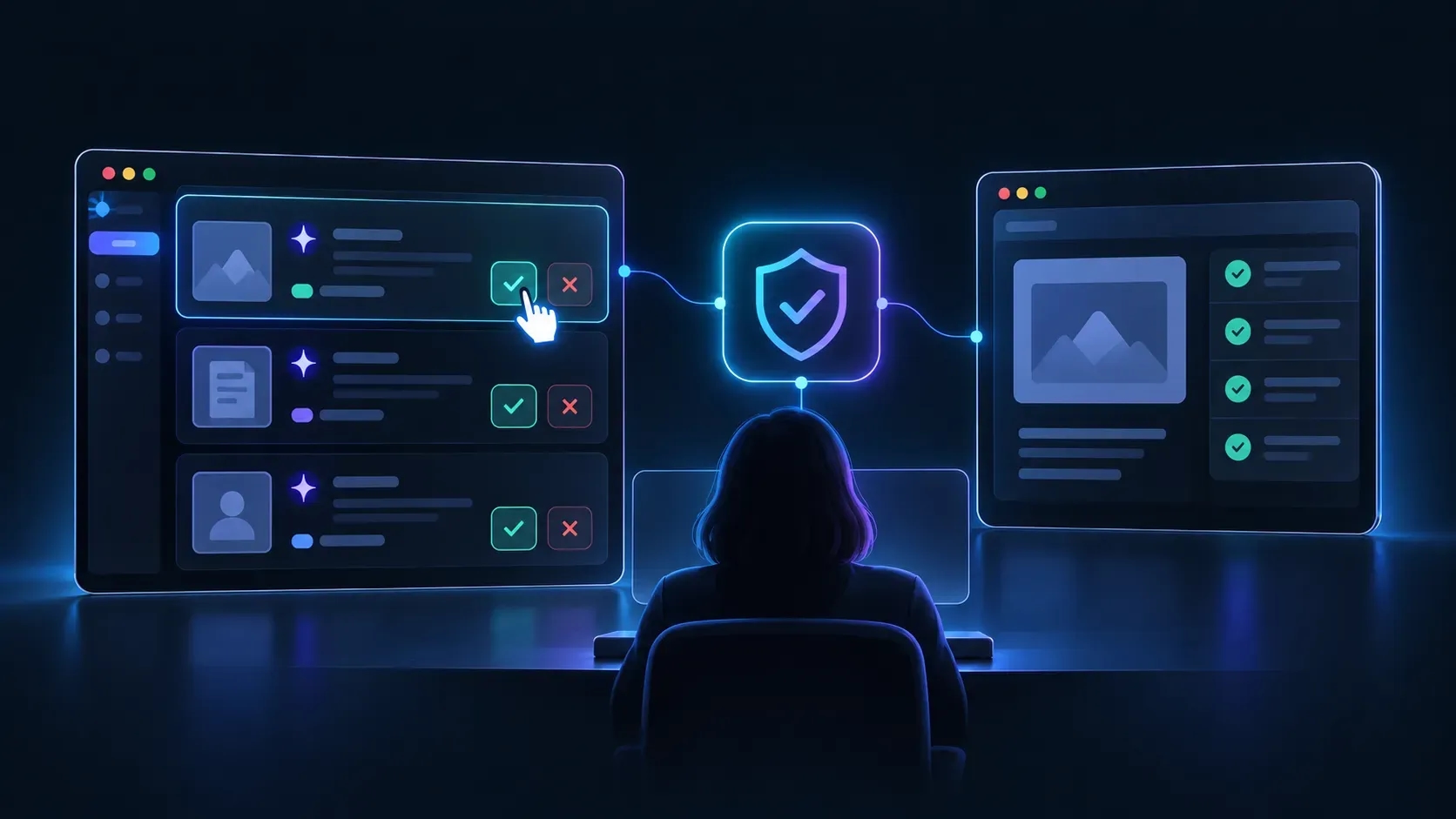
Bug reporting: Claude drafts tickets to agreed rules, replacing 10–15 minutes of manual writing. QA reviews each one and adds the final evidence.
PR review: low-risk automation changes clear checks faster, while higher-risk changes still get human review.
Human in the loop: AI sometimes raised timeouts instead of fixing the real problem, so QA engineers still investigate failures, verify product bugs, and approve sensitive changes.
AI handles the repetitive work. QA keeps the judgment.
What Changed for the QA Team
The QA team now spends its time on quality, not repetition.
300+ mobile automation flows.
Up from three basic tests, then optimized into a leaner suite focused on real coverage.
30%+ faster selected mobile runs.
Smarter setup and fewer repeated steps cut execution time.
Nightly quality checks.
Core flows run overnight, and results land in Slack for the team.
AI-assisted bug reports and PR review.
Less ticket writing, and shorter waits on low-risk changes.
One connected workflow.
Test cases, automation, bugs, pull requests, and notifications now work together instead of as separate manual steps.

“AI didn’t replace QA. It removed repetitive work so the team could spend more time improving quality.”
Engenious Team
WHAT'S NEXT
Kindred is moving from AI-assisted QA to a more autonomous quality workflow. The roadmap includes AI-generated coverage for new features, automatic analysis of failed nightly runs, bug reports with richer context and evidence, more AI-assisted checks before code is merged, shared AI rules and QA skills across the team, and stronger controls over what AI can do without approval.
Is your QA team spending its time on repetition instead of quality? Let's build your plan together.